This report is based on the official press release following the mandatory submission to the Department of Antiquities of Cyprus in June 2026.
Hala Sultan Tekke: A Major Bronze Age Trading Centre
Hala Sultan Tekke, situated on the southern coast of Cyprus, was a thriving urban centre covering up to 50 hectares. Founded no later than the 17th century BC, during the transition from the Middle to the Late Bronze Age, the city flourished for approximately five centuries before its destruction and abandonment around 1150 BC.
Much of the city’s prosperity was based on the production and export of copper. Extensive evidence of metallurgical activities, including slag heaps, copper ore, furnaces, and crucibles, demonstrates that copper was processed on a large scale within the settlement. Raw materials extracted from the Troodos Mountains were refined locally and exported through the city’s well-protected harbour.
During the 14th and 13th centuries BC, Hala Sultan Tekke developed into a major commercial centre, attracting merchants from across the Mediterranean and beyond.
The extraordinary range of imported goods discovered at the site illustrates the city’s extensive international connections. Trade networks stretched from Sardinia in the west to Afghanistan and India in the east, and from the Baltic region in the north to Nubia in the south. These discoveries highlight Hala Sultan Tekke’s important role in connecting cultures, economies, and trading communities throughout the ancient world.
The 2026 Excavation Season
The 2026 field season concentrated on City Quarter 1 (Fig. 1) within the settlement, alongside complementary investigations in the cemetery (Figs. 2, 3).
Excavation and post-excavation work were directed by Professors Peter M. Fischer and Teresa Bürge, assisted by Dr Rainer Feldbacher and an international team of specialists and students.
The project also benefited from interdisciplinary collaboration with researchers from the Cyprus Institute. Professor Kirsi Lorentz, Dr Yuko Miyauchi and Beatrix K. Passmore conducted bioarchaeological investigations, while Professor Sorin Hermon and his team contributed advanced two- and three-dimensional documentation and non-destructive analyses of archaeological materials.
Together, these approaches enabled a detailed investigation of the site’s archaeological, biological, and material evidence.
A Major Breakthrough: Discovering the Earliest City
One of the most significant achievements of the 2026 season was the discovery of the earliest securely dated architectural remains at Hala Sultan Tekke.
Previous excavations (2010–2019) had uncovered urban remains dating back to the 14th century BC (Strata 1–3B). Although pottery fragments from the late Middle Bronze Age and early Late Bronze Age had been found in earlier seasons, they could not be associated with contemporary occupation layers.
The 2026 excavations have now changed this picture.
For the first time, the Swedish archaeological mission uncovered stratified architectural remains associated with diagnostic pottery dating to the 15th–17th centuries BC. These discoveries belong to Strata 3C, 4, 5, and 6 of the settlement’s archaeological sequence and provide important new evidence for the city’s earliest phases of occupation.
Pottery Reveals the Development of the Settlement
The ceramic discoveries offer valuable insights into the chronology, cultural connections, and changing character of the early settlement.
Stratum 3C is characterised by the presence of White Slip II early and White Slip IIA, in addition to transitional White Slip I/II and White Slip I. Material that is characteristic of LC IIB–C contexts, such as considerable quantities of Aegean imports, White Slip II of mature style and Base-ring II, is largely missing.
Stratum 4 contained mostly White Slip I, which is commonly placed in LC IB. Moreover, virtually all White Slip I fragments belong to the so-called mature stage, with rim motifs such as wavy lines, dotted rows and hatched lozenges framed by horizontal double-lines.
Stratum 5 is characterised by the absence of wares that commonly occur from the later part of LC I onwards. These include White Slip I (apart from a few minor fragments, possibly intrusive), Bichrome Wheelmade, Plain Wares, Levantine imports and Cilician Red Lustrous Wheel-made. Furthermore, no Proto White Slip has so far been identified in this stratum.
Stratum 6: The limited exposure of this stratum Stratum 6 complicates its relative dating. Base-ring is virtually absent, while fragments of Plain White, Red Polished, White Painted, Black/Red Slip Reserved Slip and Red-on-Red/Black dominate. The character of the assemblage points to an occupation dating to the very beginning of LC I. The presence of wares already attested in MC III does not contradict this attribution, as most of these wares continued in use into LC I.
These findings provide crucial evidence for the earliest occupation phases so far documented at Hala Sultan Tekke and contribute to a clearer understanding of the settlement’s chronological and cultural development.
New Perspectives on the Origins of Hala Sultan Tekke
The discoveries of the 2026 excavation season represent an important milestone in the archaeological investigation of Hala Sultan Tekke. By identifying architectural remains and associated pottery dating to the 15th–17th centuries BC, the Swedish mission has established a firmer archaeological foundation for understanding the city’s origins.
The results shed new light on the early development of Hala Sultan Tekke and the processes that eventually transformed it into one of the leading urban and commercial centres of the Bronze Age Mediterranean.
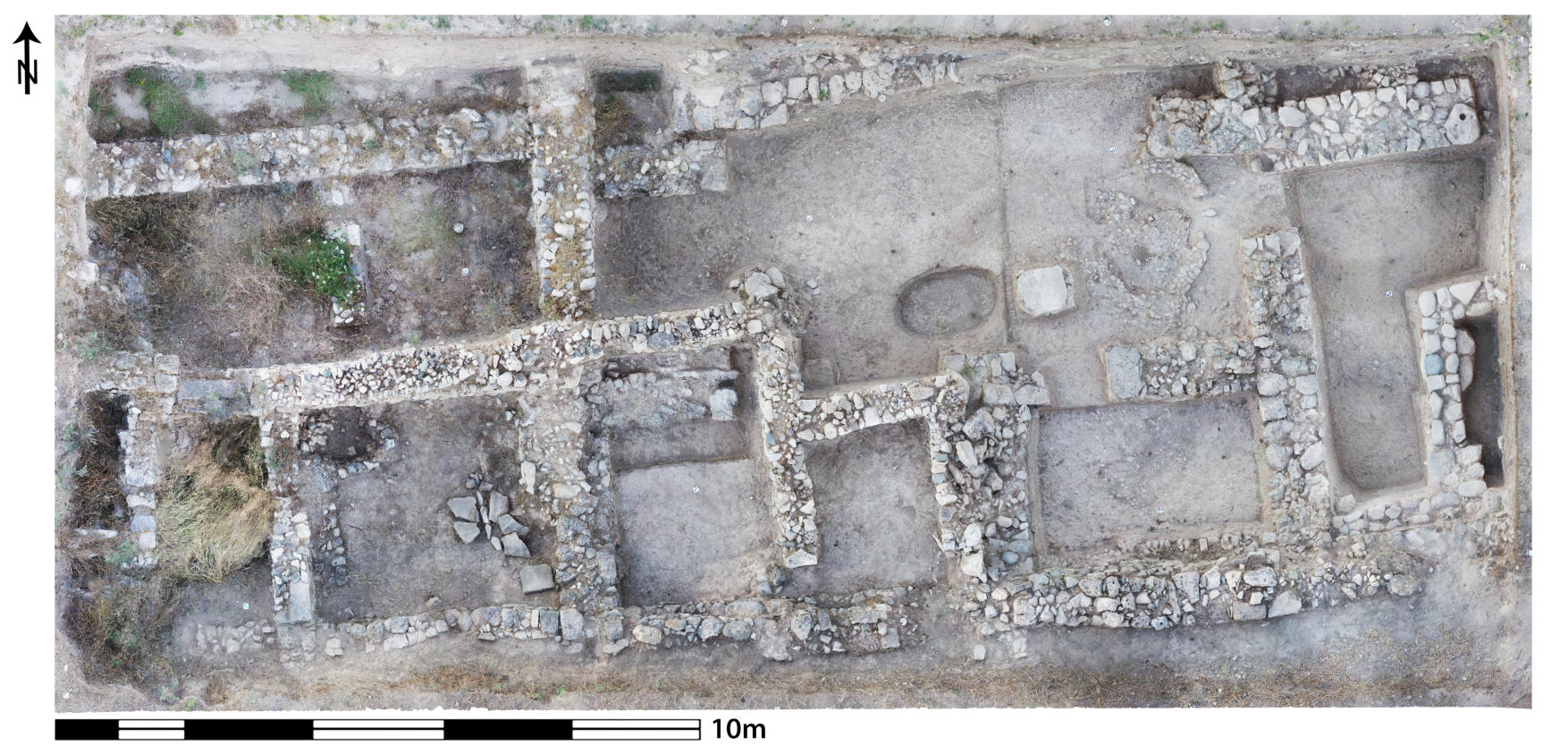
Fig. 1. City Quarter 1 showing occupation layers dating from the 17th to the 12th century BC.
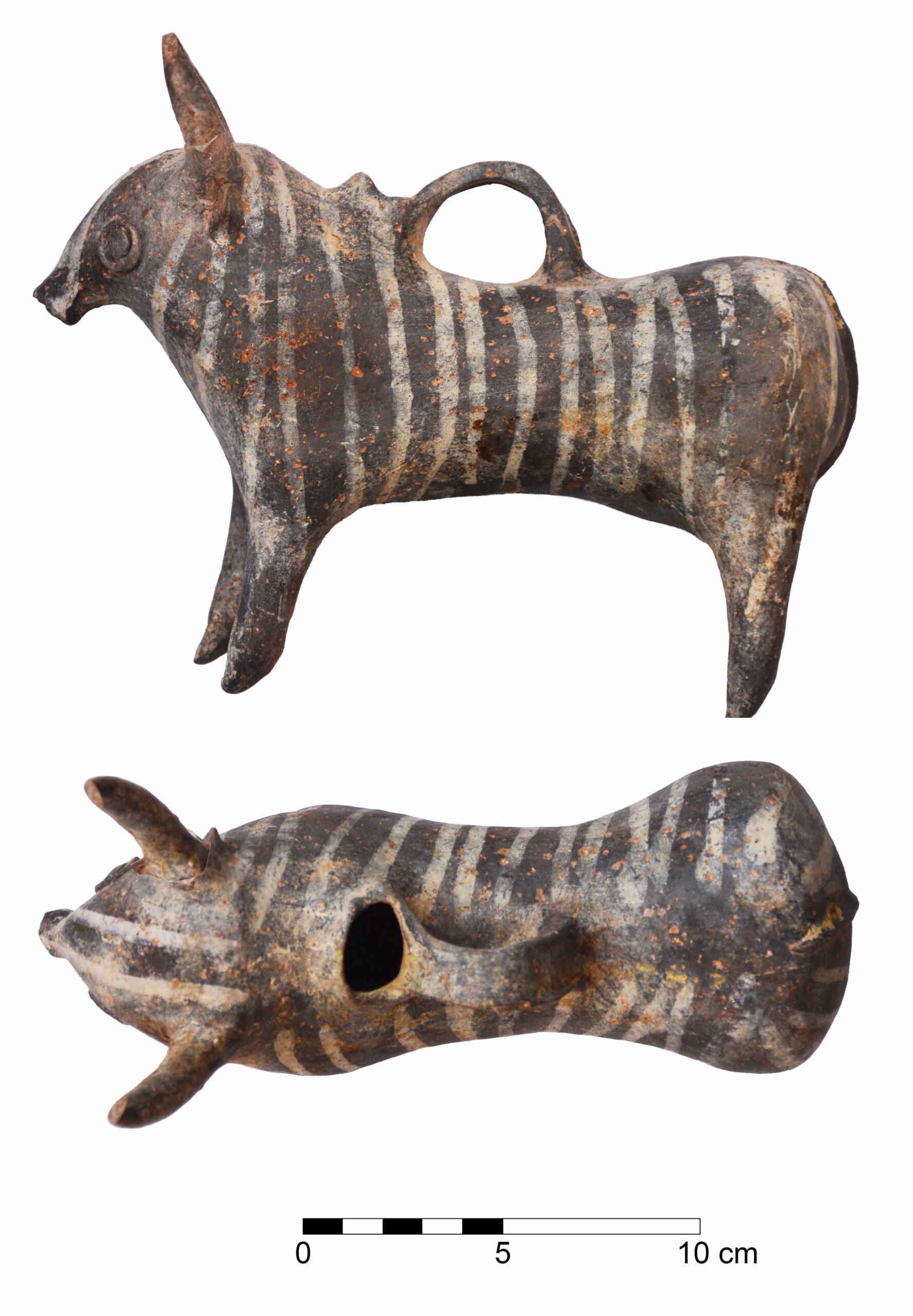
Fig. 2. Area A: Bovine figurine (rhyton), 1350-1300 BC.
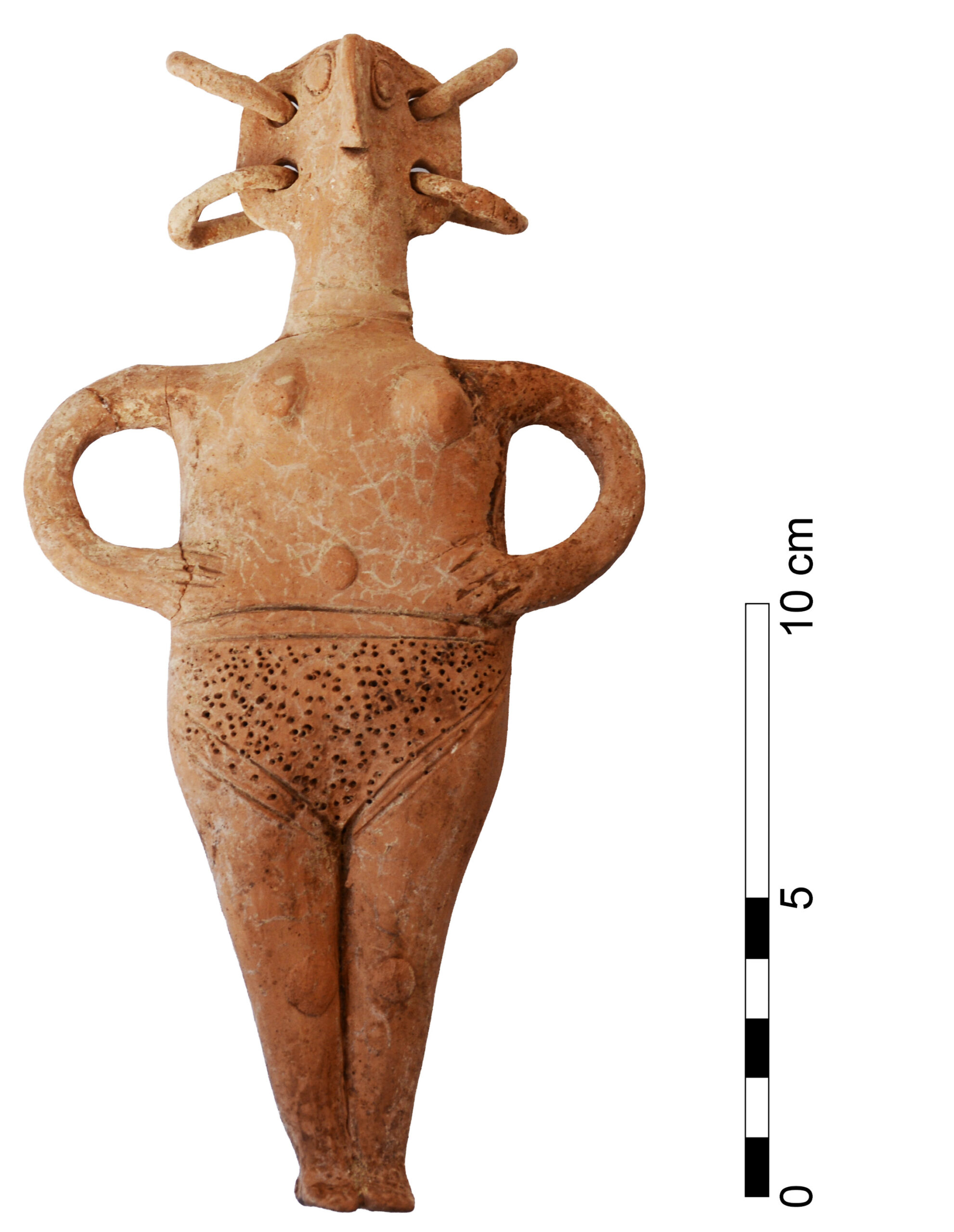
Fig. 3. Area A: Bird-headed female figurine, 1350-1300 BC.